From the gym at Fort Hills
Wood Buffalo, Alberta.
Day 4 of a 7-and-7.
Dear oil patch worker,
For two years I told myself it was age.
It wasn't. And I only found that out because somebody finally drew blood.
If any of that sounds close to home, this is the best $67 you'll spend this year.
Here's why.
I'm not going to give you my name. It isn't the part that matters.
Here's the part that does. Twelve years of hitches, and counting.
Nexen Long Lake. Albian Sands. Suncor Base Plant at Steepbank.
Nine years at Fort Hills, where I still work today.
I am not a doctor. I am not a coach. I have a badge, a locker, and a bus at 5:30 like you do.
And for about two of those twelve years, the guy in the mirror was somebody else.
Moving slower. Thinking foggier. Wanting my wife a lot less than I used to.
That is a rough sentence to write down. I'm writing it anyway, because you've thought it.
I trained the whole time. Never missed a session, never let a hitch turn into an excuse.
I'd done 75 Hard. And I still couldn't put muscle on the way I used to.
Every time it crossed my mind that something might be wrong, I killed it with four words. It's just age.
I'd even had a run at fixing it once.
My family doctor ordered a single testosterone shot at one point. Honestly, I don't think it did much.
No real follow-up. No full picture of what was going on in my blood.
A shot, a shrug, and back to normal life.
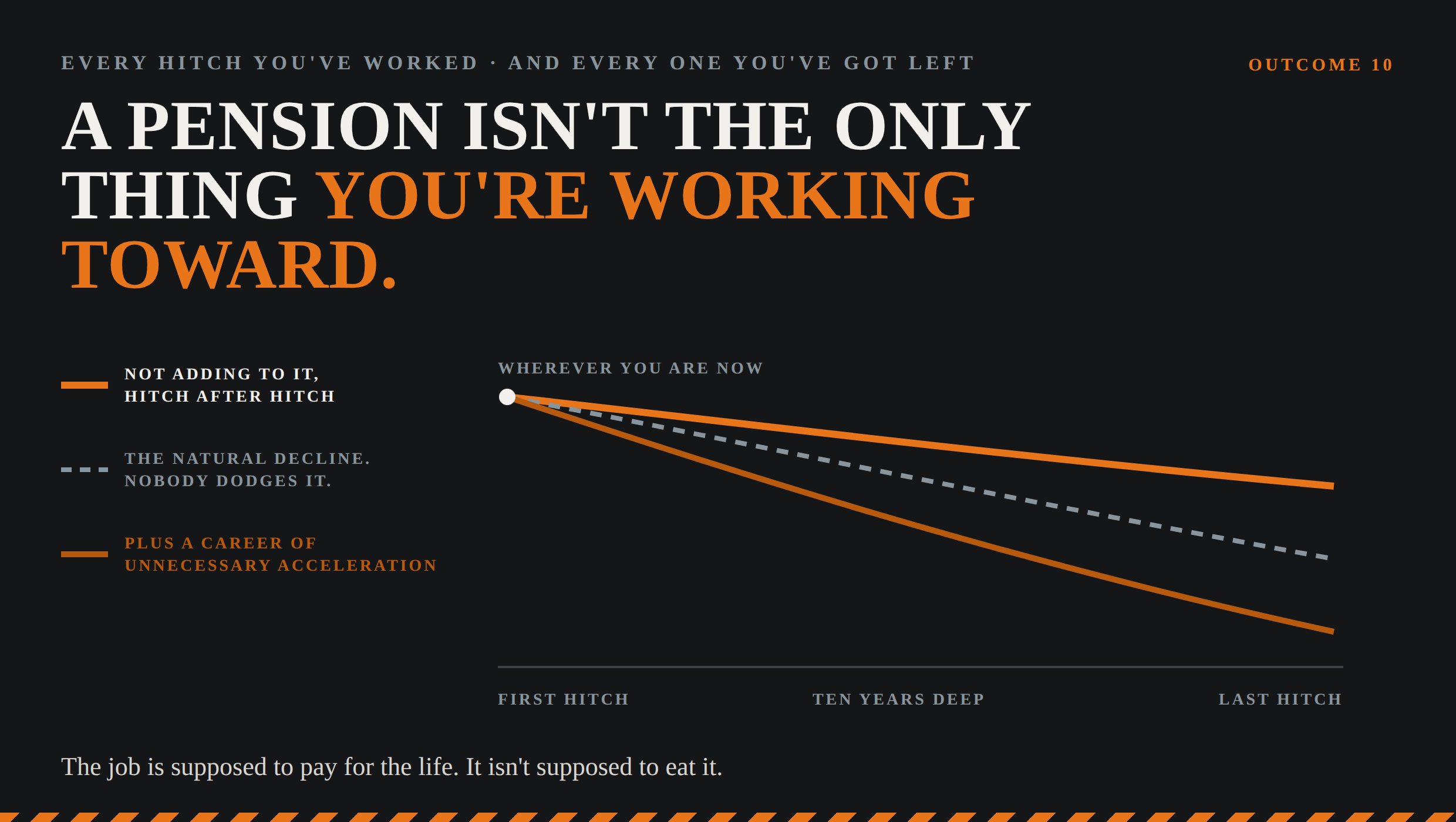
So I filed it under “getting older, nothing to be done.”
And I went back to pushing through hitches like every other man at Fort Hills, Aurora, Syncrude or Firebag.
The ad I finally clicked
Then one day off, an ad for a men's health clinic came up in my feed.
I don't know why that day was different. I'd scrolled past a hundred just like it.
Maybe I was tired enough of being tired. I clicked it and booked an appointment in Calgary.
They drew blood that same visit.
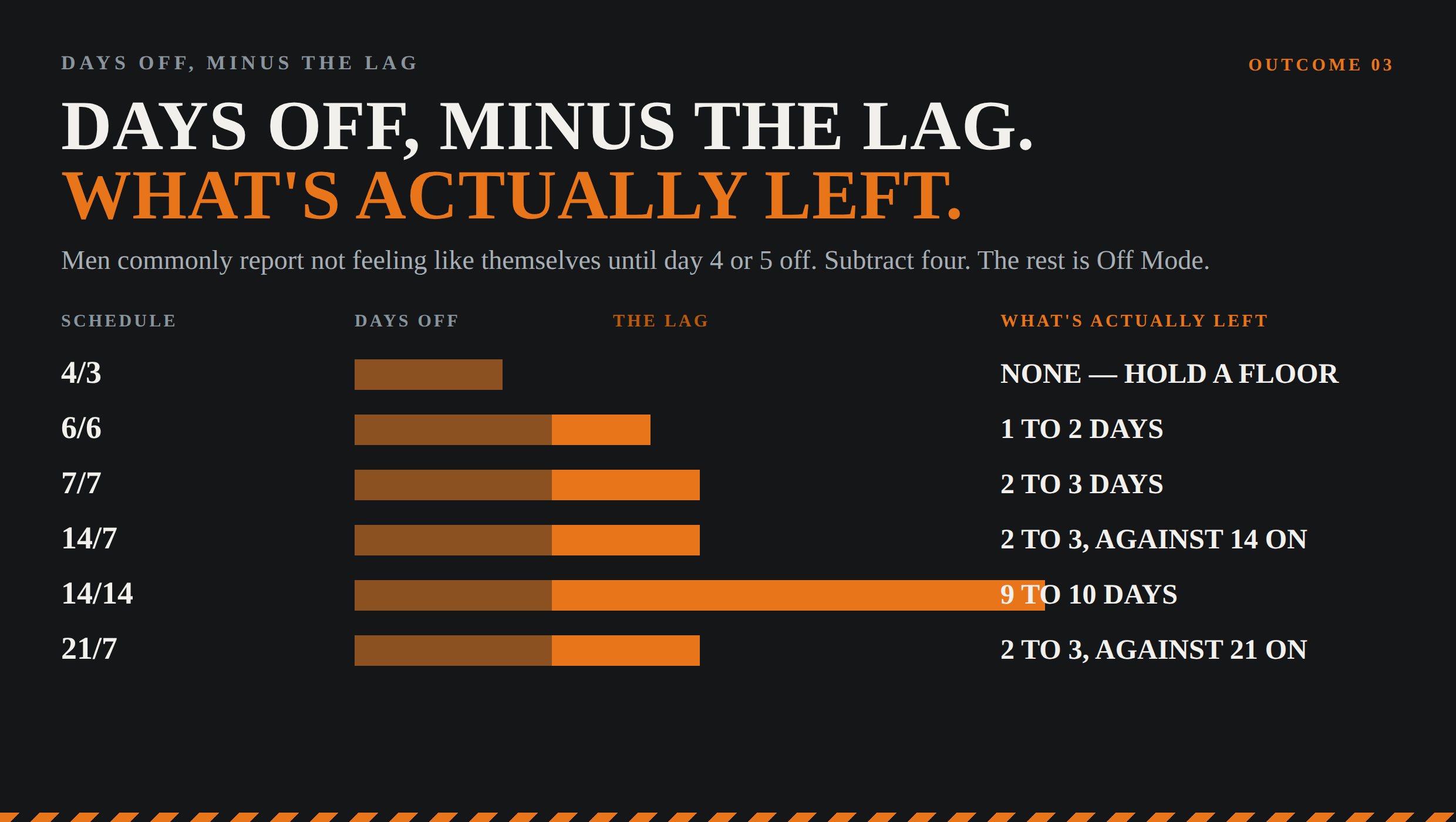
I run a 7-and-7 and I was heading back the following week. So I booked the follow-up as a phone call before I left the clinic.
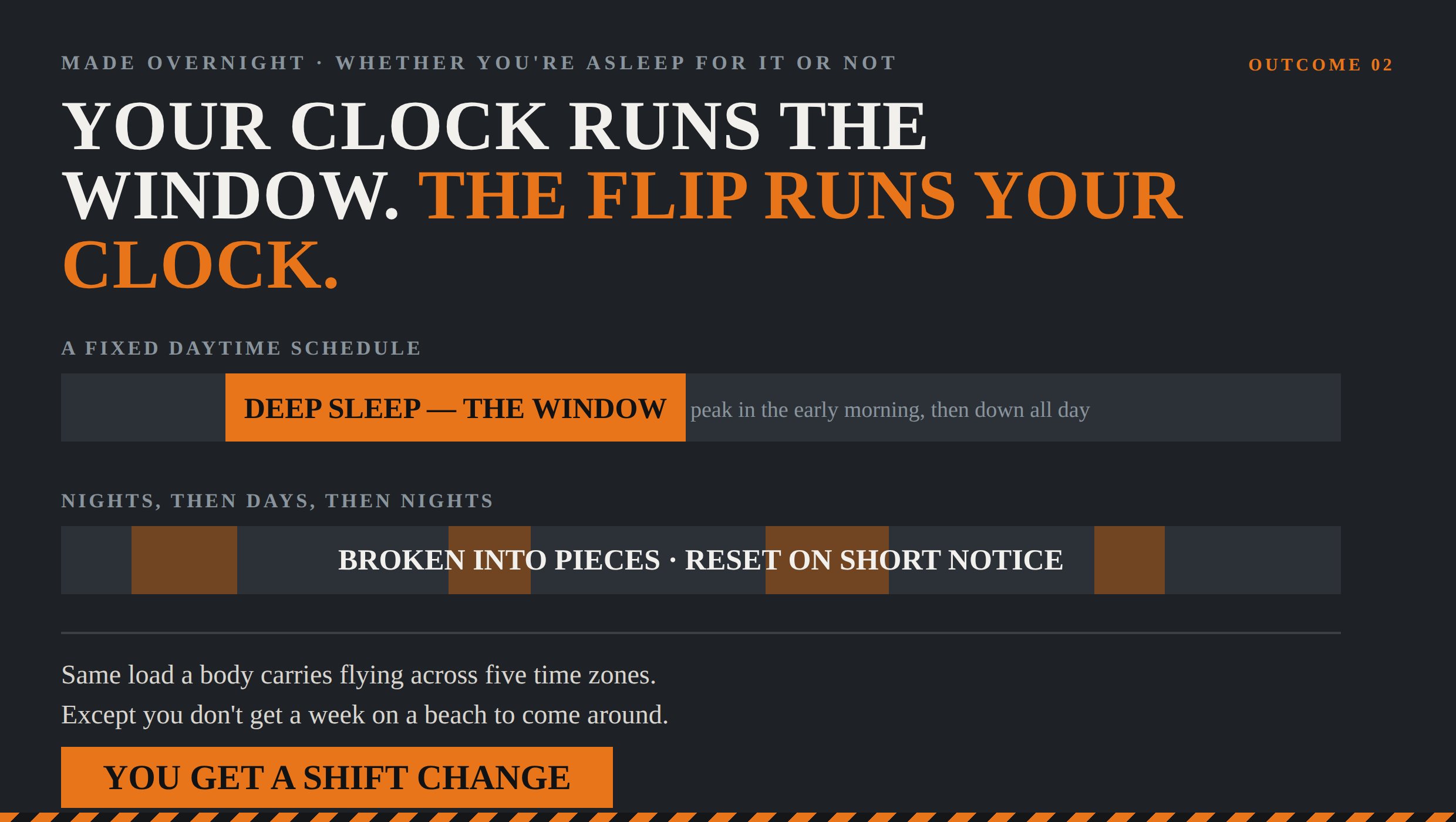
That one move is why I got an answer at all. You plan your health around the hitch, or the important stuff never happens.
The call came in while I was mid-workout. Gym floor at Fort Hills, phone buzzing in my bag.
The nurse didn't waste time.
My testosterone was on the floor. And the reason wasn't my schedule, or my stress, or my age.
It was biological. A hormone called prolactin was sitting a long way above where it should have been.
When that one runs high, it jams the signal your brain sends downstream. The signal that starts the whole chain.
It doesn't matter how well you sleep or how clean you eat if the message is getting choked off upstream.
That is not a lifestyle problem. That's a medical one.
No amount of sleep discipline was ever going to fix it on its own. Nothing in a bottle was either.
I'm being treated for it now. Prescribed and monitored by a doctor.
And everything in this book is what I've been running alongside that treatment. Not instead of it.
Then I started asking around
Once I had my own answer, I started asking. Quietly, one-on-one, the way men actually talk about this on site.
Not in a company seminar nobody listens to.
I've talked to a lot of guys at Fort Hills since then. Most of them describe the same things back to me, almost word for word.
The fatigue. The flat mood. The stalled gains. The libido that's gone quiet.
Almost none of them have ever had it checked.
Every one had his own version of “it's just age” ready to go. The same line I used on myself for two years.
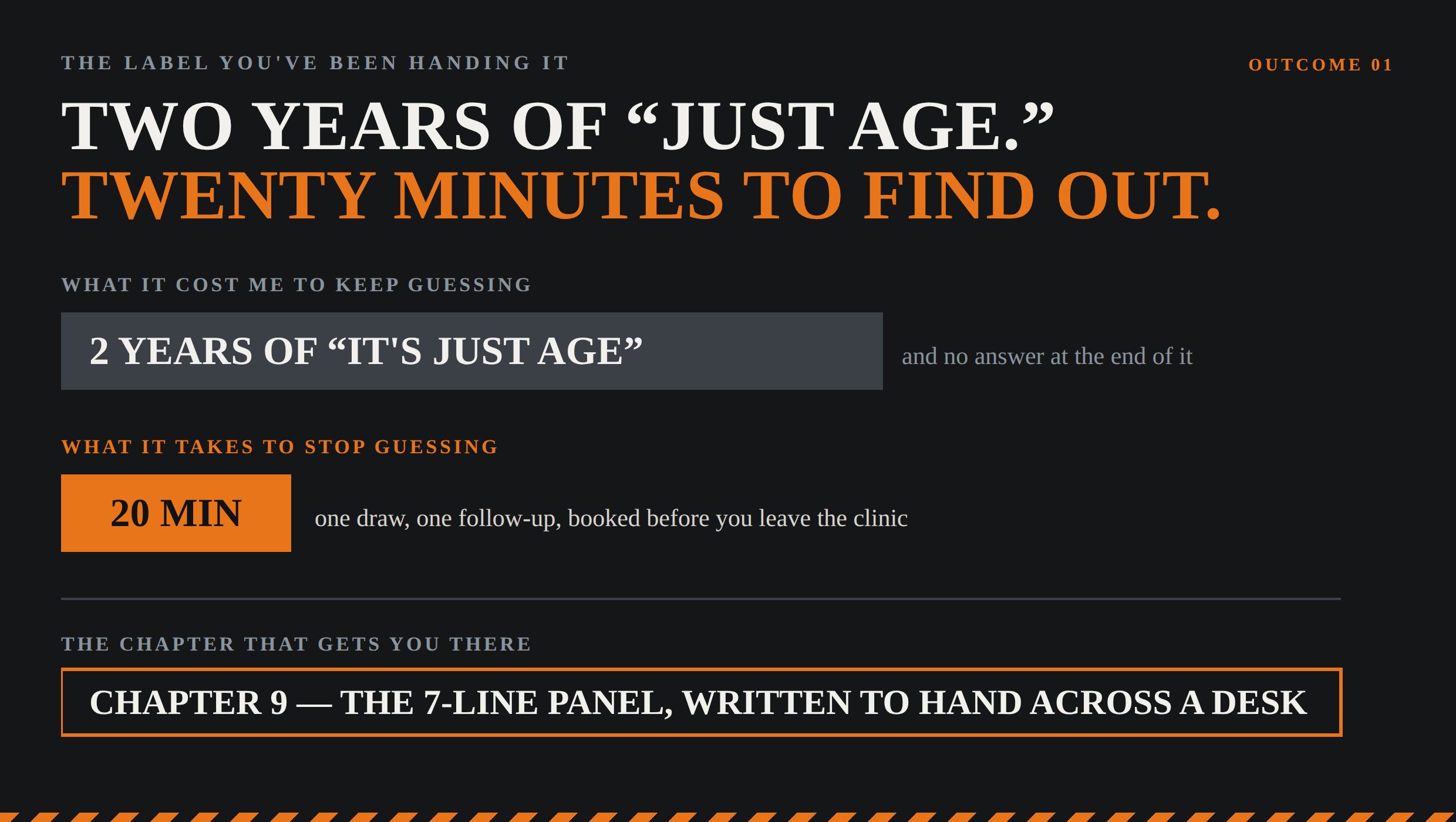
I spent two years explaining away something a blood panel could have caught in twenty minutes.
That's the gap this book exists to close.
Whatever is actually driving your numbers, you won't know until you get checked.
It might be the schedule. It might be the food, or the sleep, or the stress.
Or it might be something biological sitting underneath, like mine was. A book cannot tell you which.
So I wrote down the two halves. Exactly what to ask a doctor for, and exactly what to run in the meantime.
Eighteen chapters. Three appendices. 75 procedures, every one tagged. So you know whether to run it on hitch, on your days off, or on a changeover day.
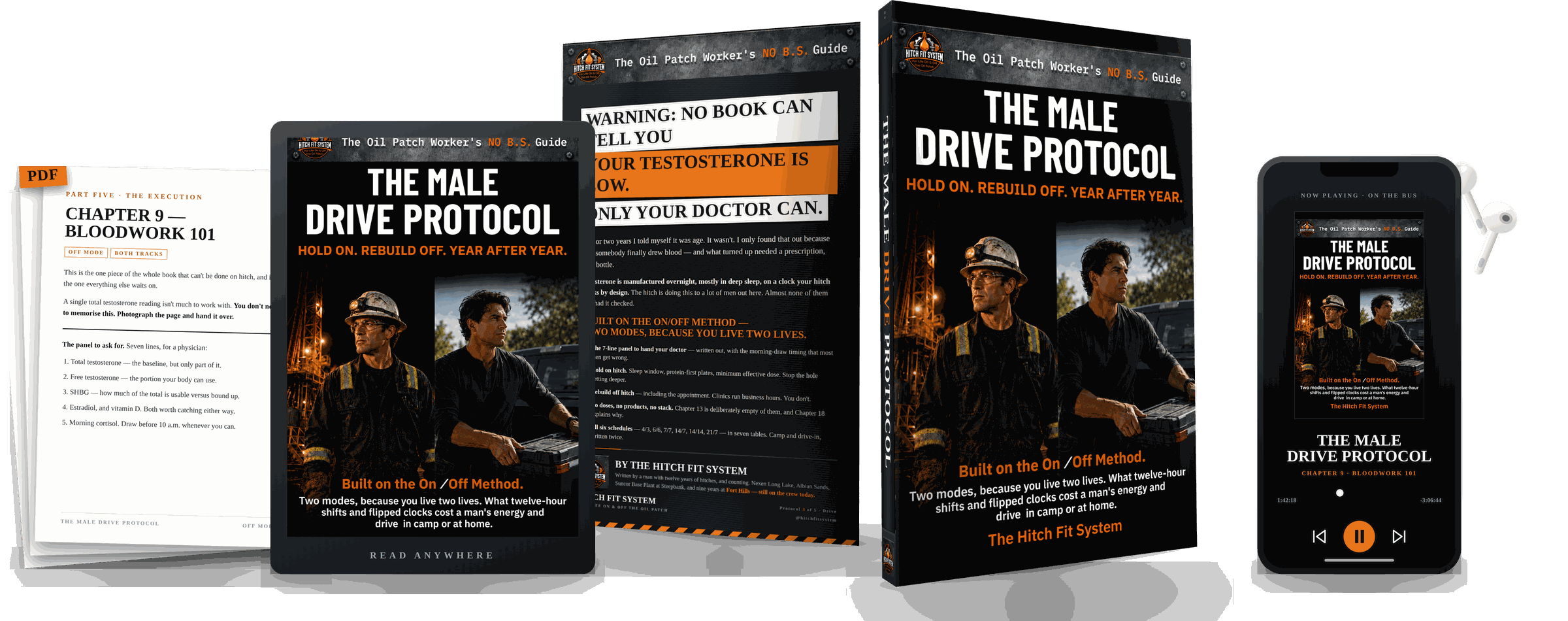
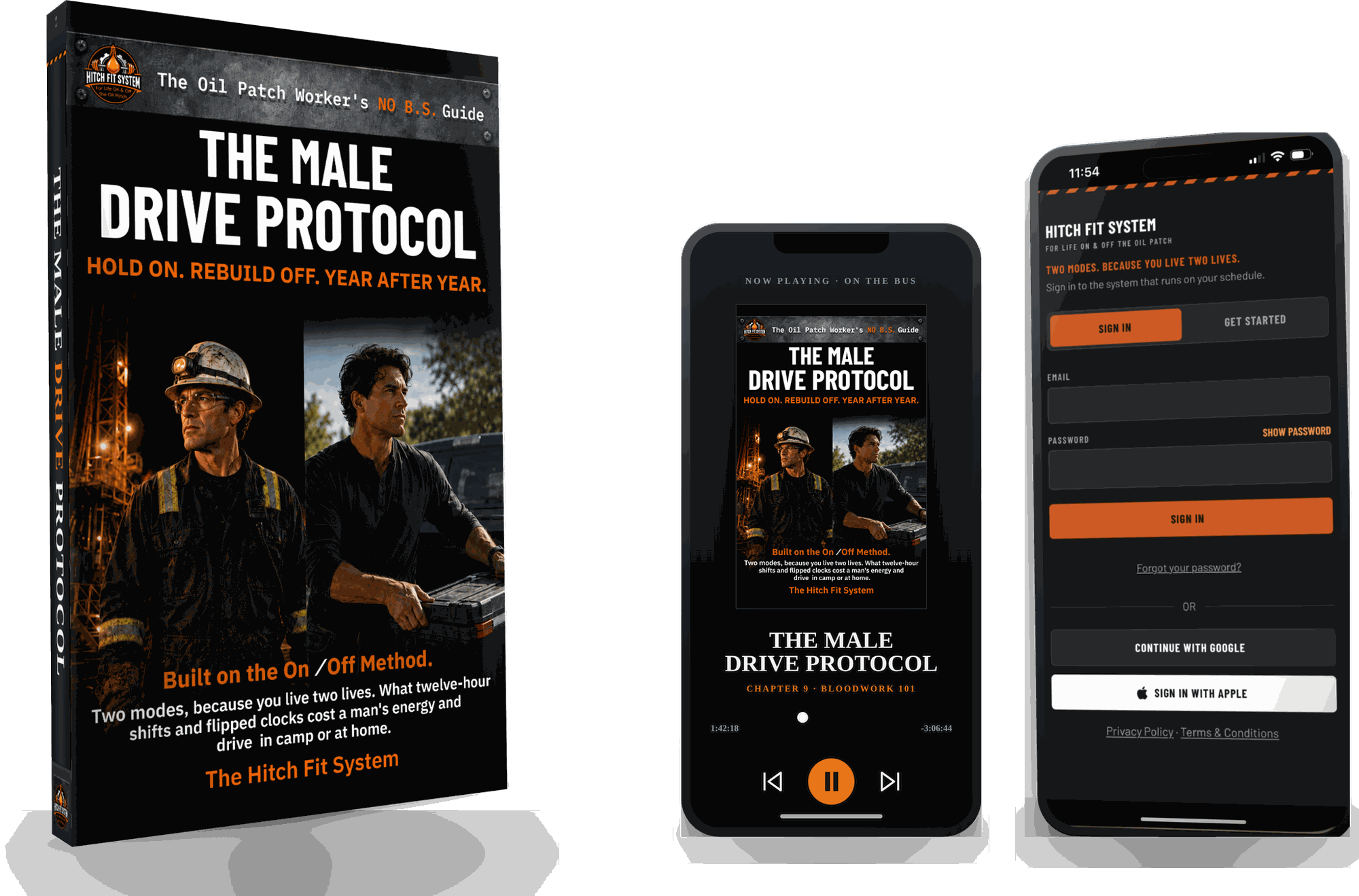
It's called The Male Drive Protocol, and it is one of five.